Highly Pathogenic Avian Influenza Confirmed in Commercial Poultry Flock in Clackamas County
On November 4, 2026, the U.S. Department of Agriculture’s (USDA) National Veterinary Services Laboratories (NVSL) confirmed Highly Pathogenic Avian Influenza (HPAI) in a commercial poultry flock in Clackamas County, Oregon. This is the first confirmed case of HPAI in a commercial poultry flock in Oregon in 2026. Samples from the flock were first tested at the Oregon Veterinary Diagnostic Laboratory (OVDL) at Oregon State University (OSU), which confirmed HPAI on November 2, 2026. The NVSL confirmed those results on November 4, 2026.
The Oregon Department of Agriculture’s (ODA) State Veterinarian placed the Clackamas County commercial poultry flock under quarantine. None of the animals or animal products on the farm entered the food supply chain. When properly prepared and cooked, poultry meat and egg products remain safe to eat. For details on the active quarantine zone, ODA provides an online map that lets people enter their address to determine whether their property is included in the active quarantine zone where poultry and poultry product movement control measures are in place. The filed quarantine rule is available to view here: Rulemaking at ODA.
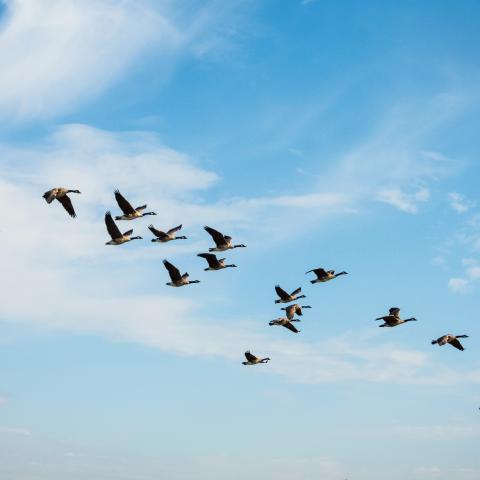
HPAI detections are higher in the fall and spring because wild waterfowl spreading the virus migrate to their seasonal homes. Report death or illness in domestic birds to ODA immediately. Please report by calling the ODA Disease Reporting Hotline at 503-986-4711.
To report the death of wild birds, contact the Oregon Department of Fish and Wildlife (ODFW). Please do not collect or handle the birds; instead, call 1-866-968-2600 or email Wildlife.Health@odfw.oregon.gov.
Here are some biosecurity actions animal owners can take to help stop the spread of the HPAI virus.
Biosecurity measures can include:
- Preventing exposure of domestic poultry and livestock to wildlife, especially wild waterfowl
- Limiting the co-mingling of different species of livestock, especially poultry with pigs, ducks, or dairy cattle
- Wash your hands before and after handling your animals
- Properly clean and disinfect vehicles, tools, and equipment
- Limiting unnecessary visitors
- Cleaning and disinfecting footwear after visiting locations with birds
- Changing clothes upon contact with birds
HPAI virus strains are extremely infectious, often fatal to chickens, and can spread rapidly from flock to flock. ODA continues to advise commercial poultry farmers and backyard flock owners to be vigilant with biosecurity measures and surveillance of flock health. For more tips on protecting animals from HPAI, please visit ODA’s Avian Influenza pages.
Source: ODA